

November 19, 2026
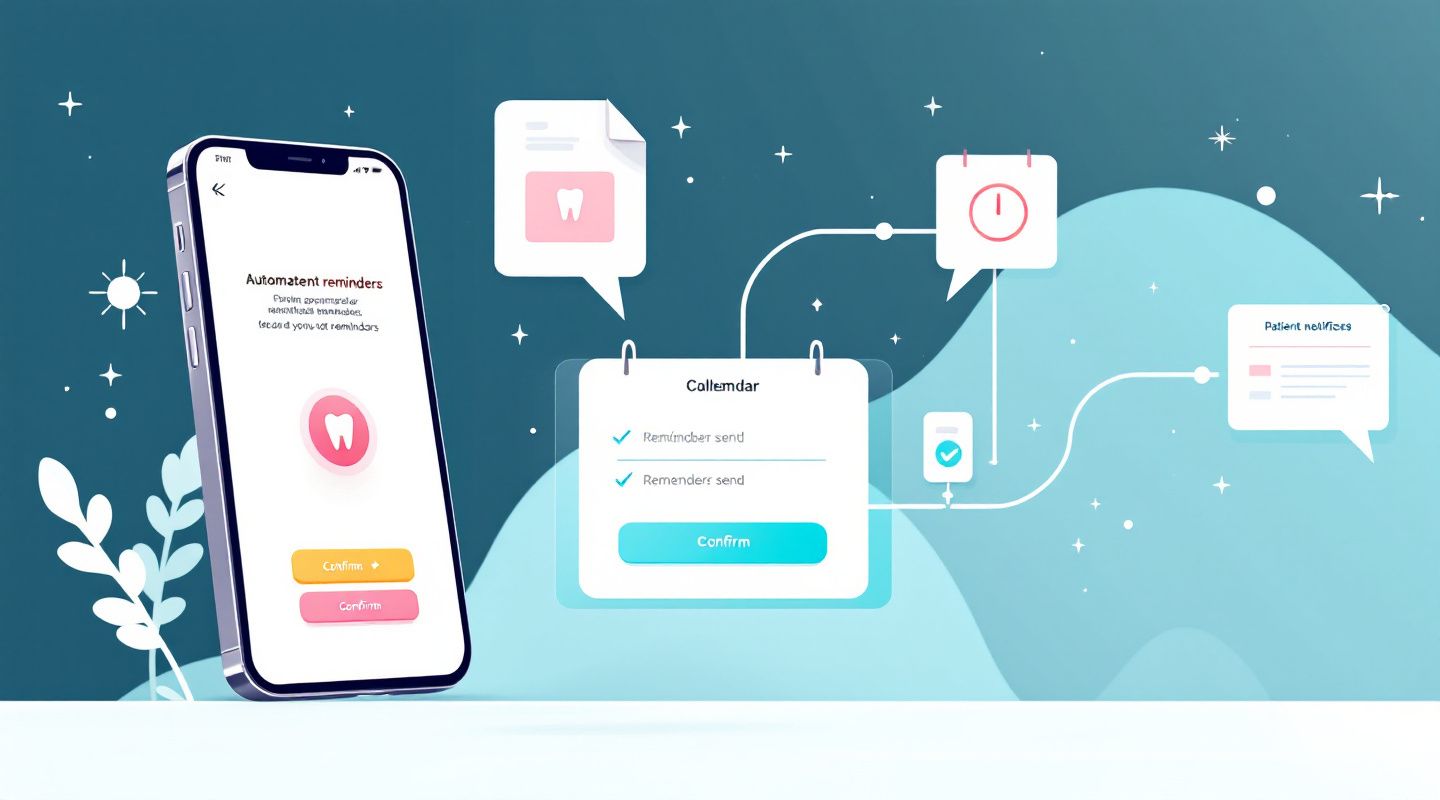
Dental insurance benefits expire year end for many patients, and most never think about it until January. Here is how to run a simple seasonal reminder campaign that helps patients and fills your December schedule.

I know you are probably wondering if this is another AI trend piece. It is a practical problem.
A growing number of shoppers no longer start on Google. They ask an assistant: "Find me a dentist near me that takes new patients" or "Do you have a gift set under $50?" The assistant answers from structured data. If your site only has nice-looking pages, the agent cannot read your price, your availability or your return policy. It skips you.
AI shopping agents look for machine-readable facts. Most small business sites ship plain HTML with none of it. The owner loses sales and never sees the lost visit, because the agent never arrived.
A second problem is attribution. When a sale does come in, the owner cannot tell whether a person or an agent sent it. Without that, they cannot decide where to invest.
When an owner asks Ana to "build my website," the site ships with an agent-readable layer by default. Owners can opt out per site.
A structured catalog. Products and priced offers live in one catalog, not in page copy. Every protocol reads from that one source, so when a standard changes, we update one adapter and your site keeps working.
Machine-readable pages. Each published page carries schema.org data: product, price, availability, brand, business details, return and shipping policies. We also publish a sitemap, an llms.txt file that summarizes your business for AI systems, and clear crawler rules.
Product feeds. We generate feeds in the formats AI shopping surfaces use, including an ACP-style feed and a Google Merchant Center feed. They refresh within minutes of a price or stock change. Products with missing fields are left out and reported, so a bad listing never reaches an agent.
A store the business owns. Checkout runs on the merchant's own Stripe account. The business is always the merchant of record. Anablock is not, and your site never stores card data.
llms.txt, sitemap and the product feeds.You get found. Agents can read your prices and policies, so they can recommend you accurately.
You stay in control. The sale, the customer and the money are yours. You can switch agent access off at any time.
You stay safe. Store pages must show returns, shipping and contact policy before agent access turns on. Published sites are screened for abuse. Healthcare sites never collect patient health data in public forms.
You see what works. Orders flow into the Anablock CRM as contacts and deals, labeled by source: human, ACP, UCP or MCP. Ana can then follow up on each order, and you can see which channels earn their keep.
You do not have to fix it yourself. Ana watches for broken feeds and wrong prices in your markup, proposes a fix, and publishes only after you approve.
A dental practice sells whitening kits and takes deposits for new-patient exams. It tells Ana what it sells, and Ana builds the site with the booking link, a lead form and a chatbot. The kits and the exam deposit go into the catalog. The site publishes with product markup, a feed and an llms.txt file. When an assistant is asked for whitening kits nearby, it can read the price and stock directly from the practice's own site. The purchase pays out to the practice's Stripe account, and the order lands in the CRM as a contact and a deal.
If you want a site that captures leads for people and stays readable to the agents that send them, we can set it up with you.
Book a demo: https://crm.anablock.com/book/vuk/meet-with-anablock
Vuk Dukic Founder at Anablock
Written by

If you are ready to move from research to implementation, we can help map the right AI system around your tools, data, team, and goals.