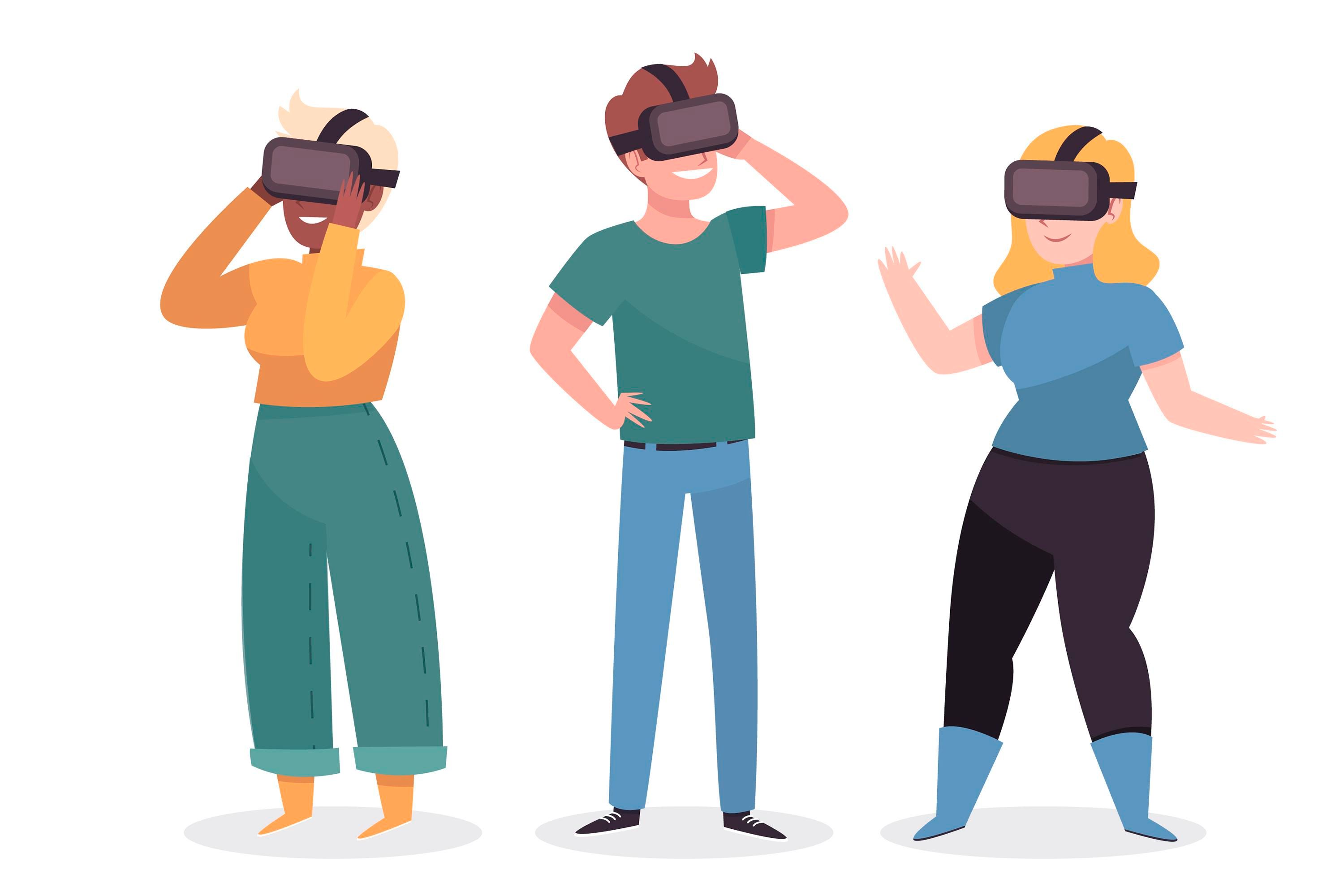
 The chatbot landscape is rapidly evolving, with emerging technologies like generative AI and virtual/augmented reality (VR/AR) poised to revolutionize how we interact with these digital assistants. Anablock will explore how these innovations are shaping the future of chatbots.
Generative AI in Chatbots
Generative AI, exemplified by large language models like GPT-3 and its successors, is transforming chatbots from simple rule-based systems into sophisticated conversational agents. These AI-powered chatbots can:
- Understand context: They grasp nuances and maintain coherent conversations across multiple turns.
- Generate human-like responses: The output is more natural and engaging, often indistinguishable from human writing.
- Perform complex tasks: From coding to creative writing, these chatbots can assist with a wide range of activities.
- Adapt to user needs: They can tailor their communication style and content to individual users.
VR/AR Integration in Chatbot Interfaces
Virtual and augmented reality technologies are opening new frontiers for chatbot interactions:
- Immersive customer support: VR chatbots can guide users through product demonstrations or troubleshooting in a 3D environment.
- AR assistants: Chatbots can appear as virtual avatars in the real world through AR, providing contextual information and guidance.
- Enhanced emotional connection: VR/AR chatbots with expressive avatars can convey non-verbal cues, fostering a stronger sense of presence.
- Spatial interfaces: Users can interact with chatbots using natural gestures and voice commands in 3D space.
The Convergence of Generative AI and VR/AR
The combination of these technologies promises even more exciting possibilities:
- Intelligent virtual beings: Generative AI-powered chatbots in VR/AR could behave more like sentient entities, offering deeply engaging and personalized experiences.
- Dynamic virtual environments: AI chatbots could generate and modify VR/AR scenes in real-time based on conversation context.
- Multimodal interaction: Chatbots could seamlessly blend text, voice, and visual elements in immersive environments.
- Adaptive learning: VR/AR chatbots could use generative AI to continuously improve their interactions based on user feedback and behavior.
Challenges and Considerations
As these technologies advance, we must address:
- Ethical concerns: Ensuring transparency about AI-generated content and maintaining user privacy in immersive environments.
- Technical hurdles: Overcoming latency issues and hardware limitations for seamless VR/AR experiences.
- User adaptation: Helping users become comfortable with these new interaction paradigms.
To Sum Up
The integration of generative AI and VR/AR into chatbots is ushering in a new era of digital interaction.
As these technologies mature, we can expect chatbots to become more intelligent, empathetic, and immersive, fundamentally changing how we communicate with machines and access information.