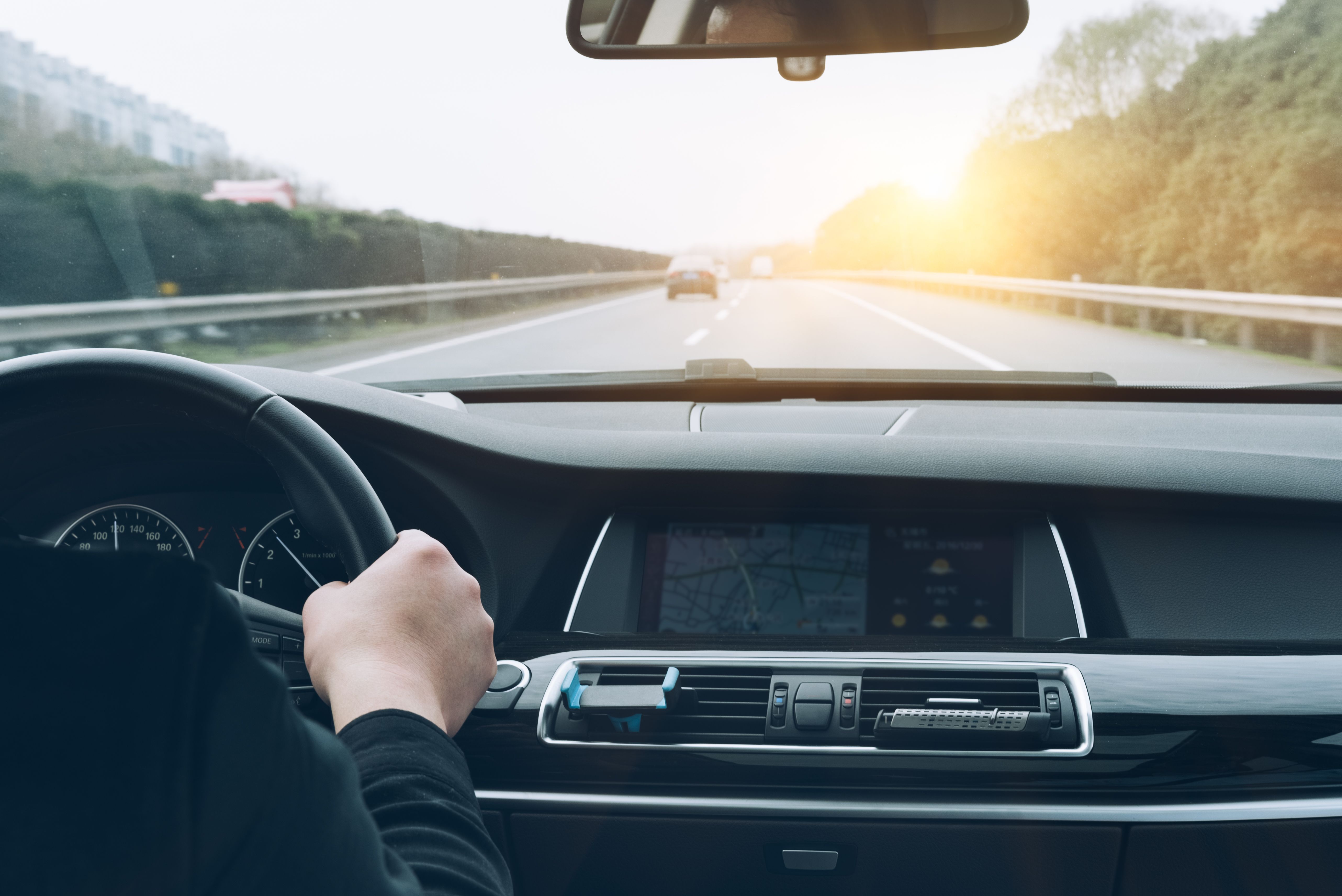
 In recent years, self-driving technology has been the stuff of science fiction and luxury car brands. But as we step into 2025, BYD, a leading Chinese electric vehicle manufacturer, is changing the game. They're not just making self-driving cars; they're democratizing the technology, making it available to the masses. Let's dive into this exciting development and explore what it means for you and the future of transportation.
Understanding BYD's 'God's Eye' Technology
What exactly is 'God's Eye'? It's BYD's cutting-edge driving assistance system, designed to make self-driving technology accessible to everyone. Launched on February 10, 2025, 'God's Eye' comes in three core variants: God's Eye A, B, and C.
How does it work? While the technical details are complex, think of 'God's Eye' as a highly skilled personal chauffeur that comes standard with every car. It uses a combination of sensors, cameras, and artificial intelligence to perceive the environment, make decisions, and control the vehicle.
The Democratization of Self-Driving Technology
Here's where things get really exciting. BYD isn't just offering this technology in their high-end models. They're including 'God's Eye' in almost all of their vehicles, even the budget-friendly ones.
Did You Know? BYD plans to include its 'God's Eye' technology in cars costing as little as $9,600!
This move is set to shake up the entire automotive industry. Imagine being able to purchase a car with advanced self-driving capabilities for less than $10,000. It's a game-changer that's bound to shift consumer expectations and put pressure on competitors to follow suit.
Real-World Applications and Benefits
The implications of affordable self-driving technology are far-reaching:
- Enhanced Safety: 'God's Eye' has the potential to significantly reduce accidents caused by human error.
- Increased Accessibility: Elderly and disabled individuals can regain independence with self-driving cars.
- Improved Traffic Flow: AI-powered vehicles can communicate with each other, potentially reducing congestion.
- Stress Reduction: Imagine using your commute time to relax, work, or enjoy entertainment instead of focusing on driving.
The Future of AI-Powered Vehicles
As exciting as the current technology is, it's just the beginning. We can expect continuous improvements through machine learning and integration with smart city infrastructure. However, this rapid advancement also brings challenges, particularly in terms of data privacy, security, and regulatory hurdles.
Practical Tips: Preparing for the Self-Driving Future
- Stay Informed: Keep up with the latest developments in self-driving technology.
- Consider Your Needs: Think about how self-driving features could benefit your lifestyle.
- Ask the Right Questions: When shopping for a vehicle with self-driving capabilities, inquire about the level of autonomy, safety features, and any additional costs.
Conclusion
The future of transportation is evolving rapidly, and BYD's 'God's Eye' technology is at the forefront of this revolution. By making self-driving technology affordable and accessible, BYD is not just changing the automotive industry – they're changing our daily lives.
As we stand on the brink of this new era, it's crucial to stay informed and consider how these advancements might benefit you. The democratization of self-driving technology promises a future where transportation is safer, more efficient, and more accessible to all.