

October 23, 2026
A practical guide for founders and small teams on building a simple, AI assisted support system without hiring a dedicated support department.
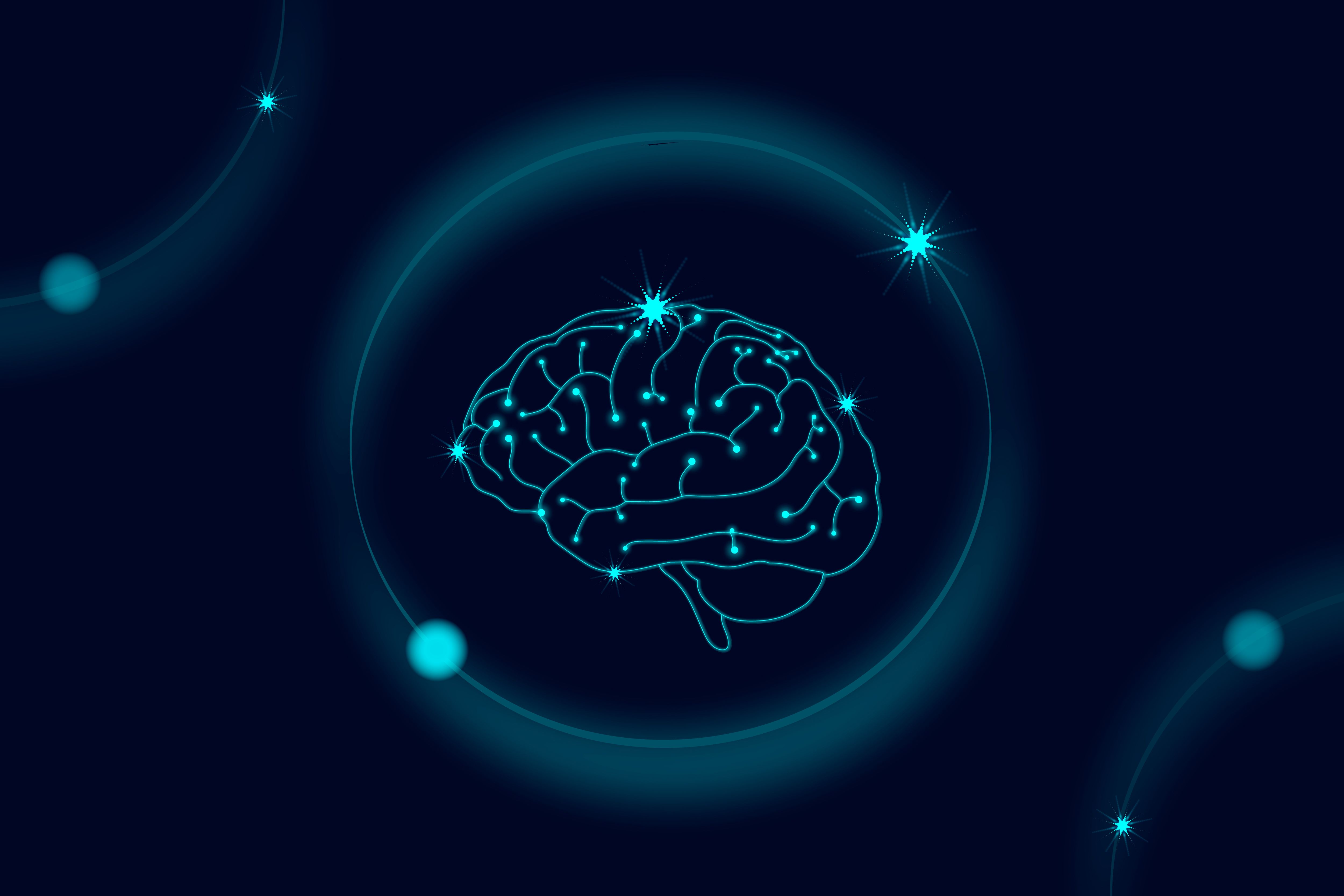 In recent years, AI has made significant strides in various fields, and mental health is no exception. But can machines really understand and improve our emotional well-being? Anablock will dive into this intriguing question and explore how AI is reshaping the landscape of mental health care.
What exactly is AI, and how does it relate to mental health? At its core, AI refers to computer systems designed to perform tasks that typically require human intelligence. In the context of mental health, AI encompasses a range of technologies, from chatbots and virtual therapists to sophisticated algorithms that analyze vast amounts of data to detect patterns and make predictions.
The journey of AI in mental health care isn't new. In fact, the first AI applications in this field date back to the 1960s and 1970s. However, recent advancements in computing power, data availability, and machine learning algorithms have propelled AI to new heights, opening up exciting possibilities for mental health care.
Did You Know? The first AI applications in mental health were developed in the 1960s and 1970s, but they didn't transform care as hoped. Today's AI, powered by advanced algorithms and big data, shows much more promise.
Current trends in AI for mental health include:
One of the most promising applications of AI in mental health is its ability to identify potential mental health issues before they become severe. AI-powered tools can analyze various data points, including social media activity, voice patterns, and even typing speed, to detect signs of mental distress.
For instance, researchers have developed natural language processing systems that can rapidly detect mental health crisis messages in chat conversations. This technology could be a game-changer in crisis intervention, potentially saving lives by identifying individuals at risk of self-harm or suicide.
AI is also revolutionizing how mental health treatments are selected and tailored to individual needs. By analyzing vast amounts of data from numerous patients, AI algorithms can identify patterns and suggest treatment approaches that have been most effective for similar cases.
A recent study published in JAMA Network Open highlighted how AI-assisted treatment selection could significantly improve outcomes for depression care. This personalized approach could lead to more effective treatments and faster recovery times for patients.
AI-powered chatbots and virtual therapists are becoming increasingly sophisticated, offering 24/7 support to individuals struggling with mental health issues. These digital companions can provide a listening ear, offer coping strategies, and even guide users through cognitive behavioral therapy exercises.
While these AI therapists can't replace human professionals, they can serve as valuable supplements, especially for those who face barriers to traditional therapy, such as cost, time constraints, or stigma.
It's crucial to understand that AI in mental health care isn't about replacing human therapists but rather augmenting and supporting their work. Think of AI as a highly skilled assistant that helps both therapists and patients navigate the complex landscape of the mind.
Analogy: The collaboration between AI and human therapists is like a symphony. Each player contributes their unique strengths – AI brings data analysis and pattern recognition, while human therapists provide empathy, intuition, and complex reasoning – creating a harmonious approach to mental health care.
Human therapists bring irreplaceable qualities to the table:
AI complements these human strengths by:
While the potential of AI in mental health is exciting, it's not without challenges and ethical concerns:
Privacy and Data Protection: The sensitive nature of mental health data raises significant privacy concerns. How can we ensure that personal information remains secure and is not misused?
Bias in AI Algorithms: AI systems can inadvertently perpetuate societal biases if not carefully designed and monitored. Ensuring fairness and inclusivity in AI mental health tools is crucial.
Transparency and Explainability: The "black box" nature of some AI algorithms can make it difficult to understand how decisions are made. In mental health care, where trust is paramount, this lack of transparency can be problematic.
Maintaining the Human Element: While AI can offer valuable support, it's essential to maintain the human connection in mental health care. Finding the right balance between technological assistance and human interaction is key.
Did You Know? A study by the World Health Organization found significant methodological and quality flaws in many AI applications for mental health research, indicating a need for more rigorous evaluation before widespread adoption.
As we look to the future, the potential of AI in mental health care is both exciting and thought-provoking. Emerging technologies and research directions include:
These advancements could lead to breakthroughs in understanding and treating mental illnesses, potentially making quality mental health care more accessible to millions worldwide.
As we've explored, AI has the potential to significantly improve mental well-being by enhancing early detection, personalizing treatment, and increasing access to support. However, it's crucial that we approach this integration thoughtfully, ensuring that AI is developed and used responsibly, ethically, and always with the patient's best interests at heart.
The future of mental health care likely lies in a harmonious blend of human expertise and AI capabilities. By embracing this collaboration, we can work towards a world where quality mental health support is available to all who need it, whenever and wherever they need it.
Written by

If you are ready to move from research to implementation, we can help map the right AI system around your tools, data, team, and goals.