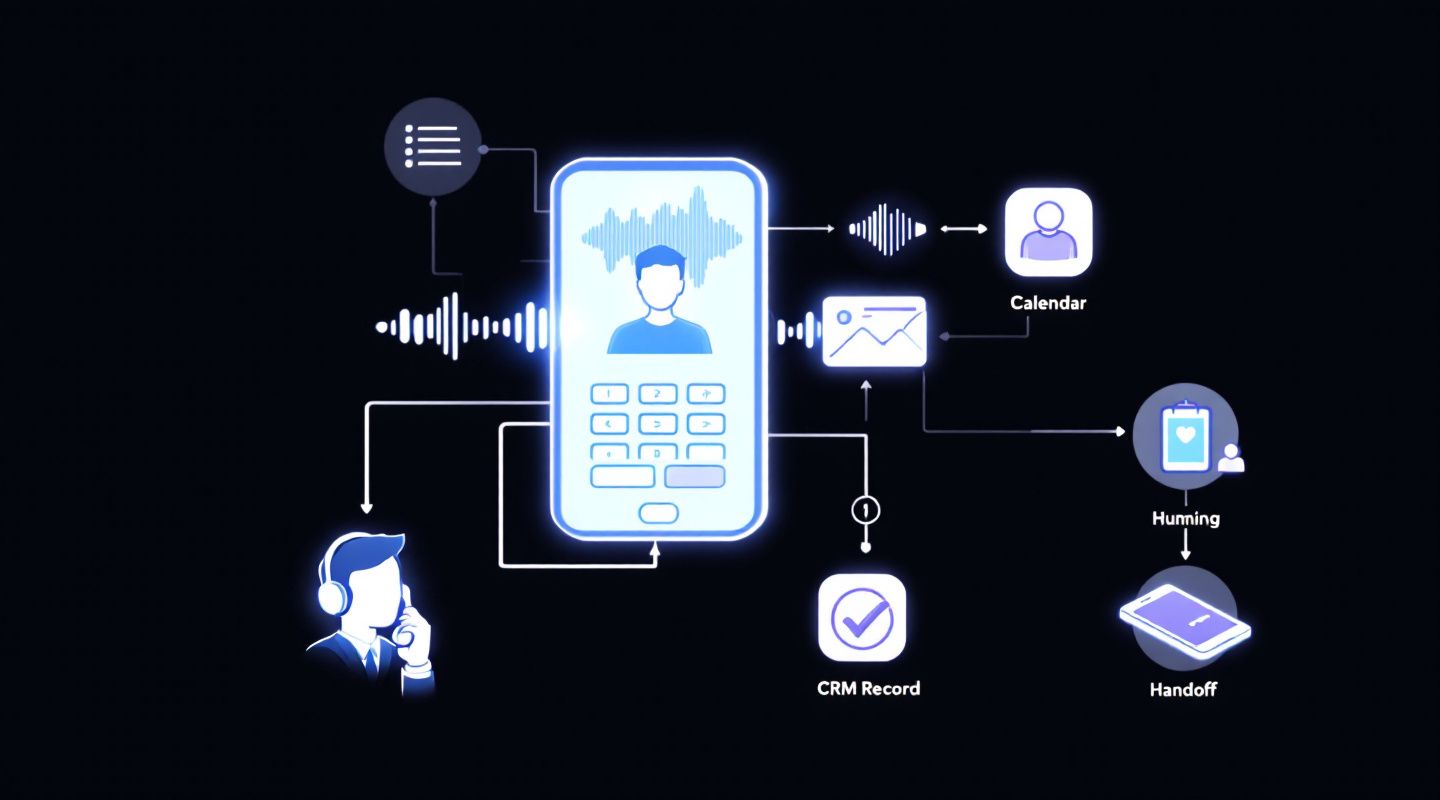
 Picture a world where your office exists wherever you choose it to be, seamlessly integrated with cutting-edge technology. Welcome to the future of remote work in 2024! The landscape of how we work has undergone a dramatic transformation in recent years, with artificial intelligence (AI) leading this revolution. The traditional office setup is rapidly evolving, giving way to a more flexible, efficient, and globally connected work environment. In this blog post, Anablock will explore how AI tools are reshaping the modern workplace, offering unprecedented opportunities for productivity, collaboration, and work-life balance.
1. The Current State of Remote Work
Remote work has become more than just a trend; it's now a fundamental part of our professional lives. According to recent statistics, 67% of US firms now offer work location flexibility. This shift has been driven by both employee preferences and the realization that remote work can be highly effective.
As illustrated in the pie chart, the primary benefits of remote work include:
- 32% appreciate flexible schedules
- 25% value the ability to work from anywhere
- Other benefits include reduced commuting time and more time with family
However, remote work isn't without its challenges. Many organizations and employees struggle with maintaining communication, fostering collaboration, and managing work-life boundaries. This is where AI tools come into play, offering innovative solutions to these common remote work hurdles.
2. AI Tools Revolutionizing Remote Work
AI-Powered Productivity Assistants
AI-driven productivity tools are changing the game for remote workers. These intelligent assistants can manage tasks, track time, and even prioritize work based on your habits and preferences. By automating mundane tasks, AI frees up valuable time for more creative and strategic work.
Did You Know? In the US, working from home has stabilized at around 28% of working days, a five-fold increase compared to 2019.
Virtual Collaboration and Communication
AI is enhancing virtual collaboration tools in remarkable ways. From AI-powered video conferencing that can reduce background noise and enhance video quality, to real-time language translation for global teams, these tools are breaking down barriers and making remote collaboration smoother than ever.
AI in Talent Acquisition and Management
The impact of AI extends to how companies find and manage talent. An impressive 75% of companies now use AI-driven tools for talent acquisition. These tools can sift through resumes, conduct initial interviews, and even predict candidate success, reducing recruitment time by 40%.
AI for Employee Wellbeing and Work-Life Balance
One of the most exciting applications of AI in remote work is its potential to support employee wellbeing. AI-powered mental health apps can provide personalized support, while intelligent scheduling tools can help maintain a healthy work-life balance by suggesting optimal break times and work patterns.
The Impact of AI on Remote Work Productivity
The integration of AI into remote work setups has led to significant productivity gains. In fact, 72% of business leaders report high productivity due to extensive AI integration.
Case Study: TechInnovate, a mid-sized software company, implemented AI-powered project management tools across its remote teams. Within six months, they saw a 30% increase in project completion rates and a 25% reduction in overtime hours.
However, it's important to address the elephant in the room: 30% of workers fear AI might replace their jobs. While AI is certainly changing the nature of work, it's crucial to understand that AI is more likely to augment human capabilities rather than replace them entirely.
4. Preparing for the AI-Driven Remote Work Future
As we look to the future, it's clear that the synergy between AI and remote work will only grow stronger. To thrive in this new landscape, both individuals and organizations need to prepare:
Skills for the Evolving Workplace:
- AI literacy: Understanding how AI works and its applications
- Data analysis: Interpreting AI-generated insights
- Emotional intelligence: For tasks AI can't replicate
- Adaptability: Embracing new AI tools and workflows
Tips for Companies Integrating AI in Remote Work:
- Start small: Implement AI tools in one department before scaling
- Provide training: Ensure employees are comfortable with new AI tools
- Gather feedback: Continuously improve based on user experiences
- Address ethical concerns: Be transparent about AI use and data handling
Ethical Considerations:
- Data privacy: Ensure AI tools comply with data protection regulations
- Bias mitigation: Regularly audit AI systems for potential biases
- Human oversight: Maintain human decision-making in critical areas
5. Conclusion
The evolution of remote work, powered by AI tools, is reshaping the modern workplace in ways we could only imagine a few years ago. From boosting productivity and enhancing collaboration to supporting employee wellbeing, AI is proving to be an invaluable ally in the remote work revolution.
As we navigate this new frontier, it's crucial to approach AI integration with both enthusiasm and caution. By embracing the benefits while addressing the challenges, we can create a future of work that is more flexible, efficient, and human-centered than ever before.
Remember, the future of work is not about AI replacing humans, but about humans and AI working together to create something greater than the sum of their parts. Are you ready to be part of this exciting evolution?