

October 23, 2026
A practical guide for founders and small teams on building a simple, AI assisted support system without hiring a dedicated support department.
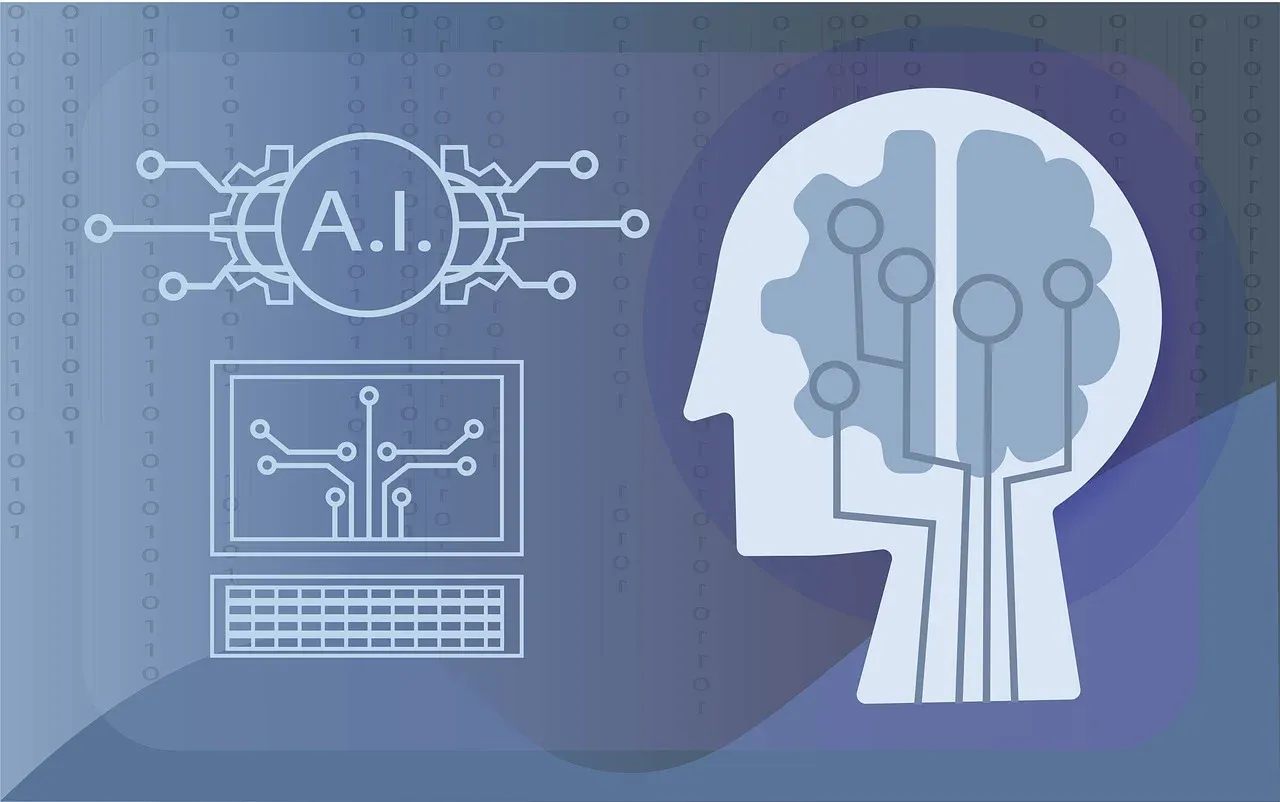 Artificial Intelligence (AI) and cognitive computing are at the forefront of technological innovation, fundamentally changing how we engage with machines and transforming various sectors. These advanced technologies are crafted to emulate human cognitive functions, allowing systems to learn, adapt, and make decisions similarly to human beings. In this blog post, we will delve into the workings of AI and cognitive computing, explore their wide-ranging applications, and discuss the exciting future they promise.
AI refers to the simulation of human intelligence in machines that are programmed to think and learn like humans. There are different types of AI, including Narrow AI, which is designed for specific tasks such as voice assistants; General AI, which aims to perform any intellectual task that a human can do; and Superintelligent AI, a hypothetical form that surpasses human intelligence.
Cognitive computing involves self-learning systems that use data mining, pattern recognition, and natural language processing to mimic the way the human brain works. Key features of cognitive computing include its ability to adapt by learning from data, interact naturally with humans, continuously improve by learning from interactions, and understand context by analyzing data from multiple sources.
AI systems use machine learning algorithms to learn from data and improve over time without being explicitly programmed. Neural networks, modeled after the human brain, help in recognizing patterns and making decisions. Natural Language Processing (NLP) enables AI systems to understand and generate human language, allowing them to interact with humans more naturally.
This is evident in applications such as chatbots, virtual assistants, and language translation services. AI systems also make data-driven decisions by analyzing vast amounts of data, similar to human decision-making processes. Predictive analytics is used in various fields like finance, healthcare, and marketing to predict future trends and behaviors.
In healthcare, AI systems assist in diagnosing diseases and suggesting treatment plans, while personalized medicine tailors treatment plans based on individual patient data. In finance, AI systems analyze transaction patterns to detect fraudulent activities and help in making investment decisions through AI-driven algorithms. In retail, AI enhances customer service through personalized recommendations and chatbots, and predictive analytics optimize stock levels and reduce waste.
As we look to the future, ethical considerations such as bias and fairness in AI systems and privacy concerns must be addressed to ensure these technologies benefit society.
Technological advancements will see the integration of AI with the Internet of Things for smarter, connected devices and advancements in robotics, with AI-driven robots performing complex tasks in various industries. Human-AI collaboration will become more prevalent, with AI augmenting human abilities rather than replacing them, and creating collaborative workspaces where humans and AI systems work together seamlessly.
AI and cognitive computing are at the forefront of technological innovation, mimicking human thought processes and transforming industries. As these technologies continue to evolve, they promise a future where machines and humans collaborate to solve complex problems, improve efficiency, and enhance our quality of life. However, it is crucial to address ethical and privacy concerns to ensure these advancements benefit society as a whole.
If you're interested in exploring how AI and cognitive computing can transform your business, we invite you to reach out to us. Visit our contact page to learn more and start a conversation with our experts.
Written by


If you are ready to move from research to implementation, we can help map the right AI system around your tools, data, team, and goals.